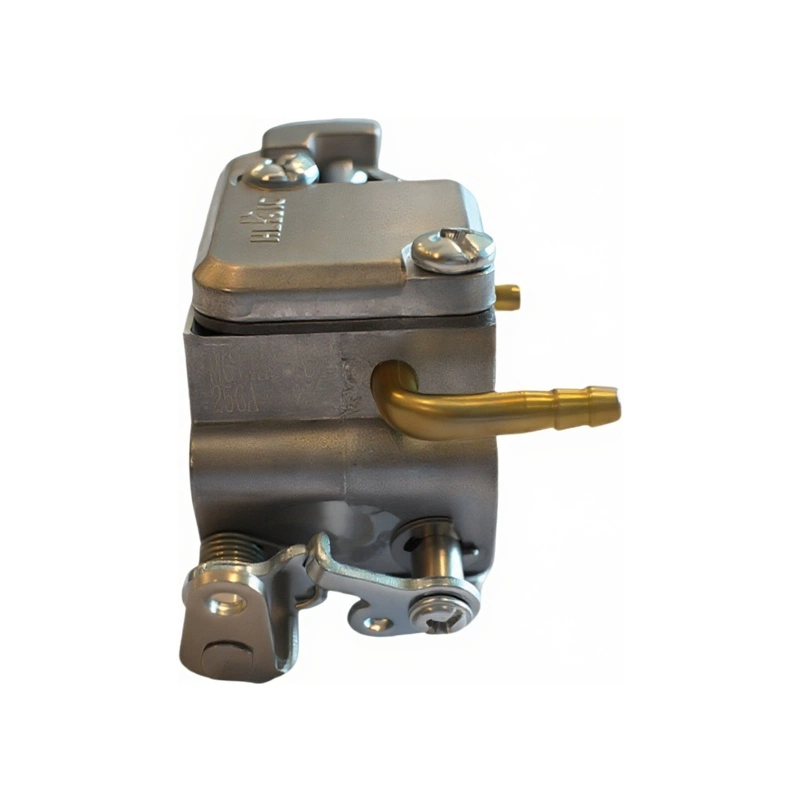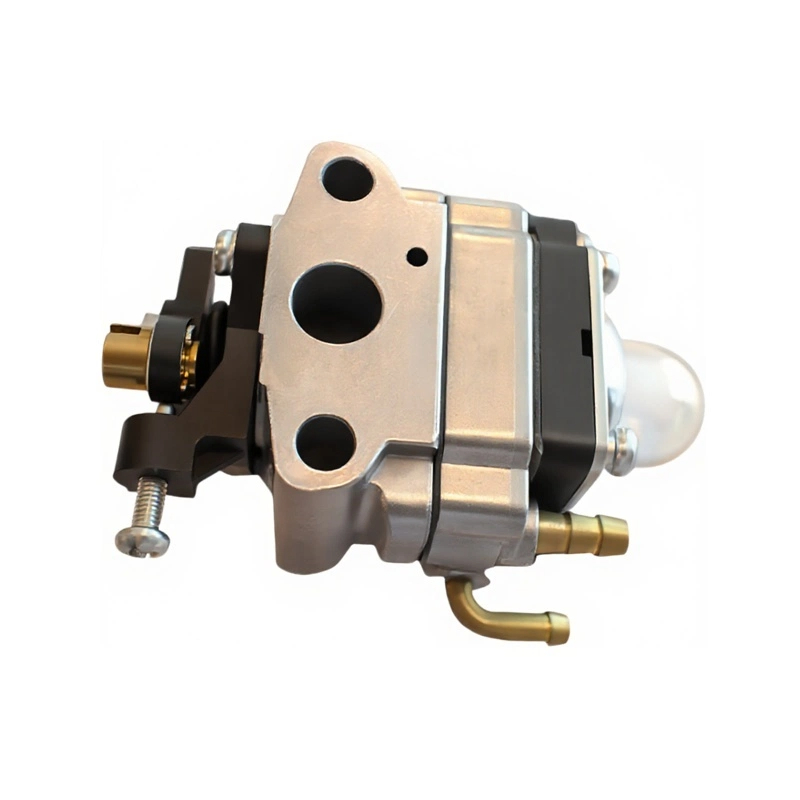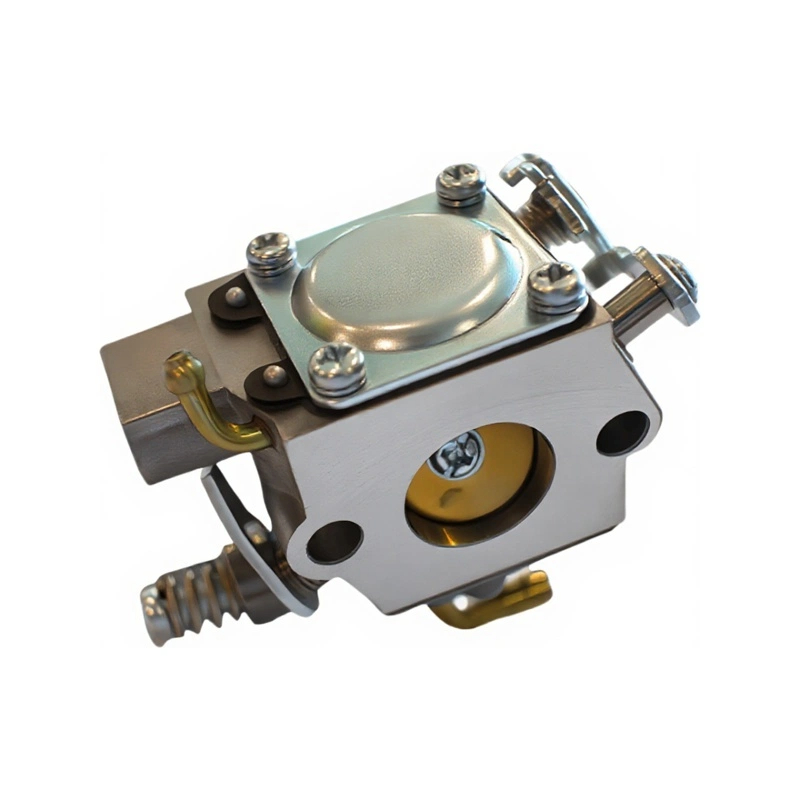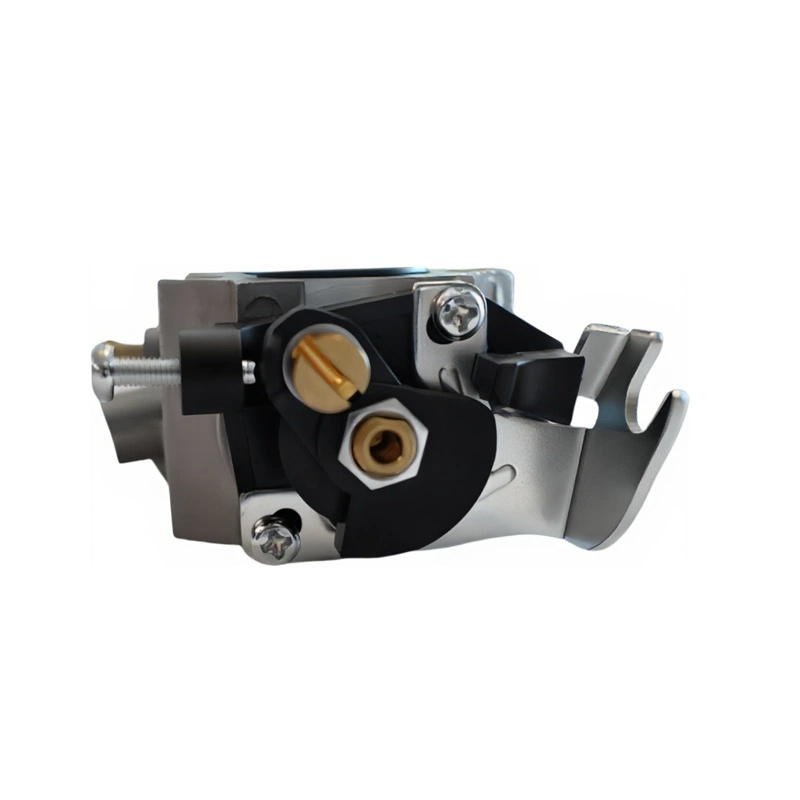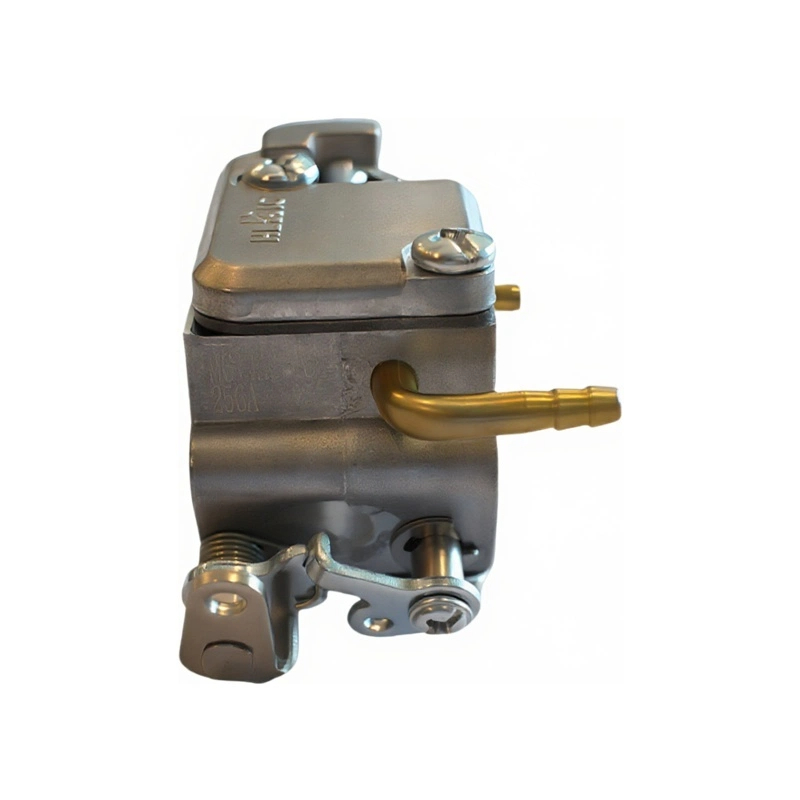

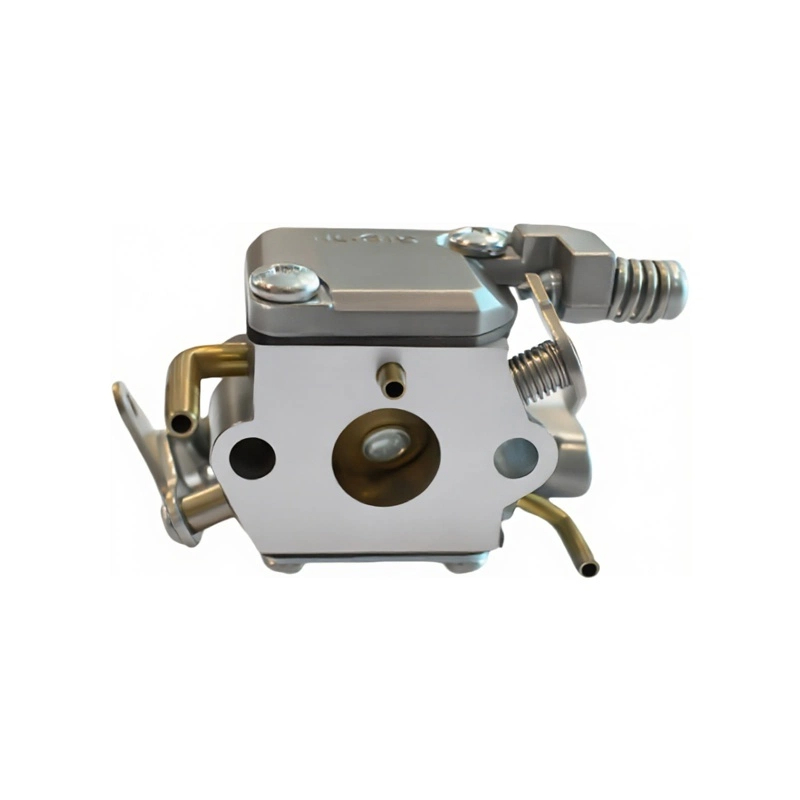
The butterfly valve carburetor achieves precise control of the air-fuel ratio at different speeds through a clever combination of mechanical structure and fluid dynamics.
The valve body typically uses a high-precision machined conical or cylindrical channel. By rotating it, the cross-sectional area of the airflow is changed, thereby regulating the amount of air entering the throat of the rotary valve carburetor.
In low-temperature environments, the mechanical properties and chemical stability of carburetor components may change, leading to decreased sealing or increased wear.
In the advancement of automotive and general powertrain technology towards higher efficiency, cleaner operation, and greater intelligence, the EFI system (Electronic Fuel Injection, EFI) has evolved from an auxiliary control unit to the core of engine man
In the world of small internal combustion engines, the carburetor, though seemingly traditional, carries the precise mission of blending fuel and air accurately.
In modern internal combustion engine technology, the EFI system has completely replaced the traditional carburetor, becoming key to improving overall engine performance.