
The evolution of the internal combustion engine represents a continuous quest for efficiency, power, and environmental responsibility.
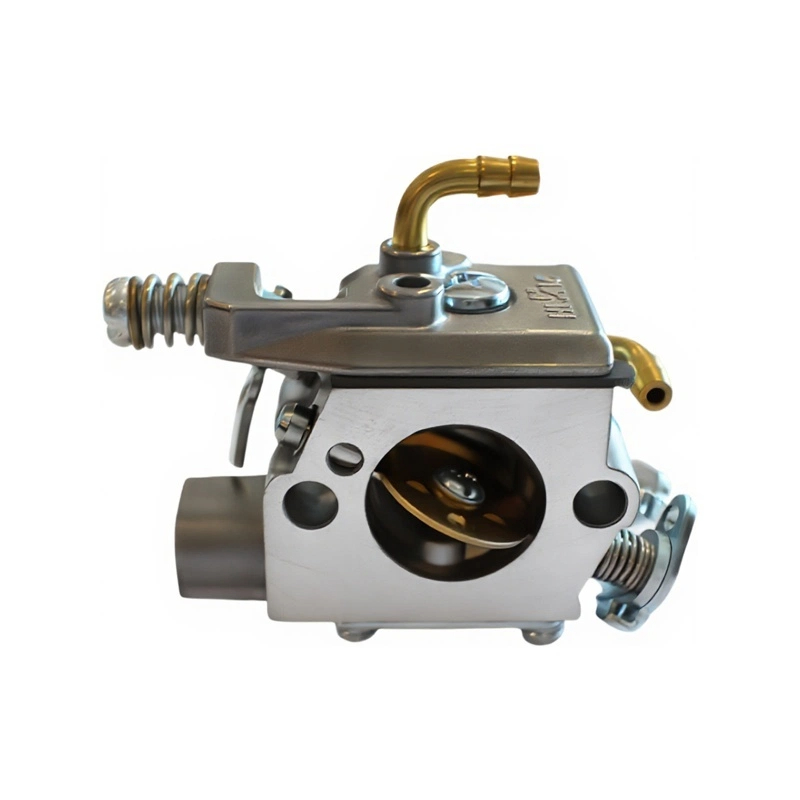
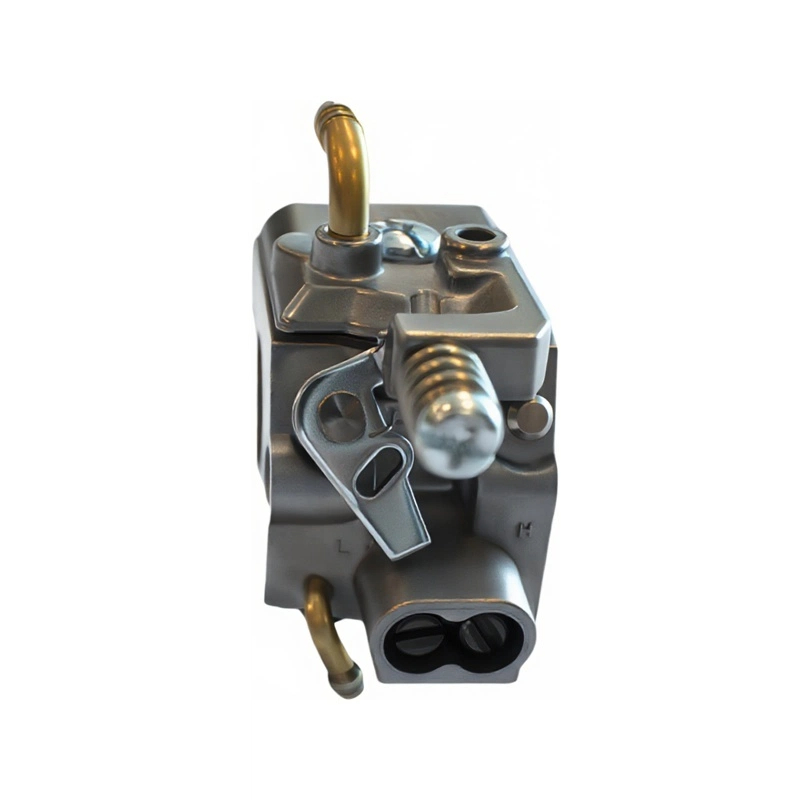
The structure of a rotary valve carburetor typically consists of an intake passage, a rotary valve body, a fuel injector, and a mixing chamber.
Some carburetors use an accelerator pump to assist fuel supply. In this case, it is necessary to check the linkage between the accelerator pump piston stroke and the butterfly valve opening to ensure that the fuel supply amount matches the air increment d
As a core component of the internal combustion engine fuel supply system, the rotary valve carburetor's optimization of the air-fuel mixture concentration depends on the precise adjustment of the rotary valve opening.
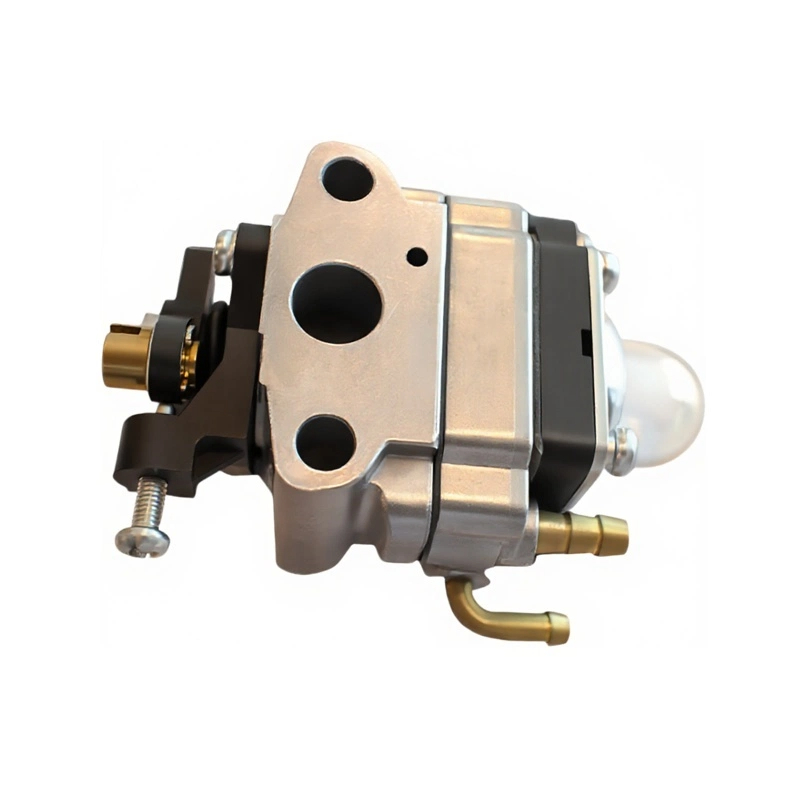
A butterfly valve carburetor is a fuel supply device commonly used in small general-purpose gasoline engines. Its core design lies in precisely controlling airflow through the rotation of the butterfly valve to achieve an ideal mixture of fuel and air, th
The butterfly valve carburetor precisely controls the cross-sectional area of the intake passage through the rotation of the butterfly valve, thereby achieving dynamic adaptation of the throttle response under different operating conditions.